Key takeaways
- Red light is used to support collagen, firmness and circulation.
- Blue light is for breakout-prone, inflamed skin; green light for oiliness and tone.
- At-home devices are gentle — consistency matters more than intensity.
LED light therapy has moved from clinic rooms into bathroom cabinets. It’s painless, quick and pairs well with a microneedling routine. Here is what each colour is used for and how to use a home device well.
How red light therapy works
Red light therapy — also called photobiomodulation — uses specific wavelengths of visible red light that are absorbed by skin cells. It is associated with supporting cellular energy, circulation and collagen production. Research is growing, particularly for skin quality, though at-home devices are lower powered than professional panels, so expect gentle, gradual results.
Red, blue and green: which colour for what?
| Light | Commonly used for |
|---|---|
| Red | Collagen support, firmness, tired-looking skin, dark circles |
| Blue | Calming inflammation, breakout-prone skin |
| Green | Balancing oily skin, evening tone |
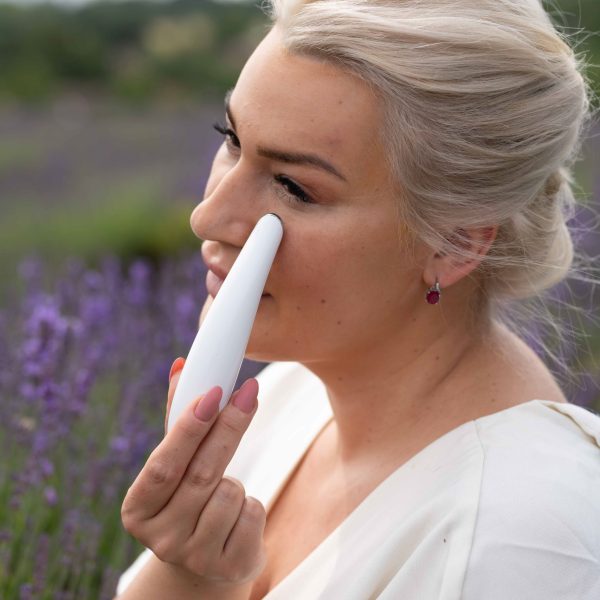
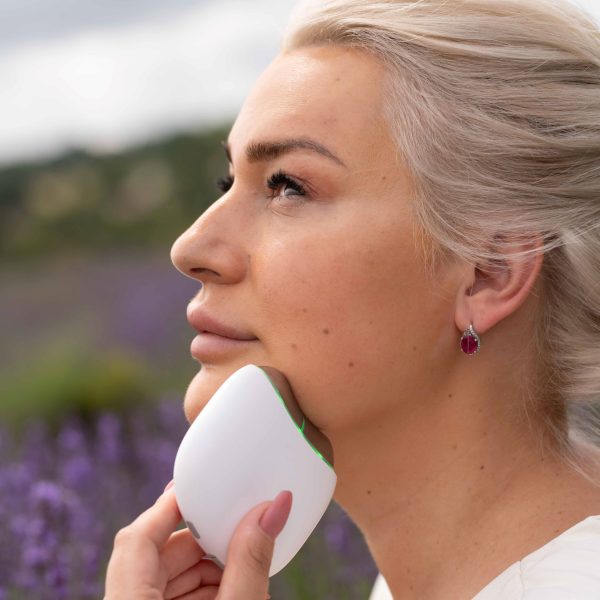
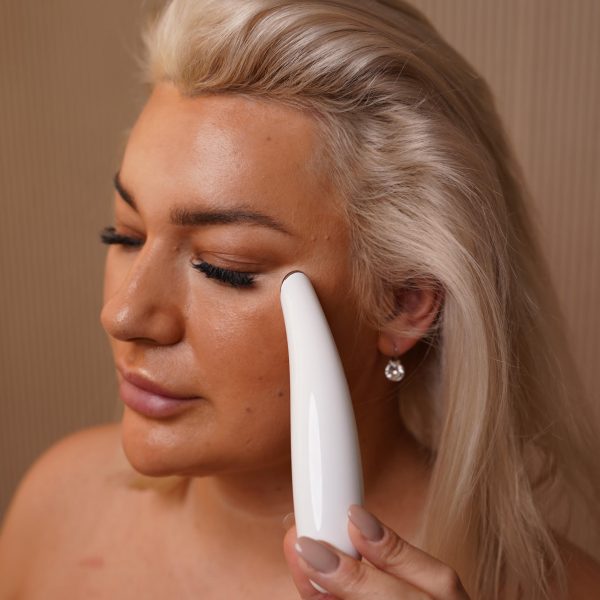
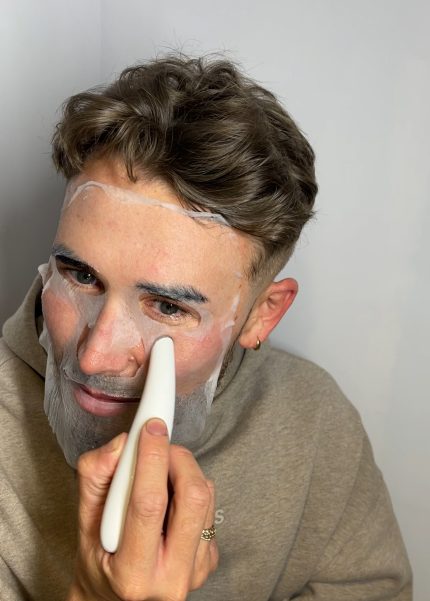
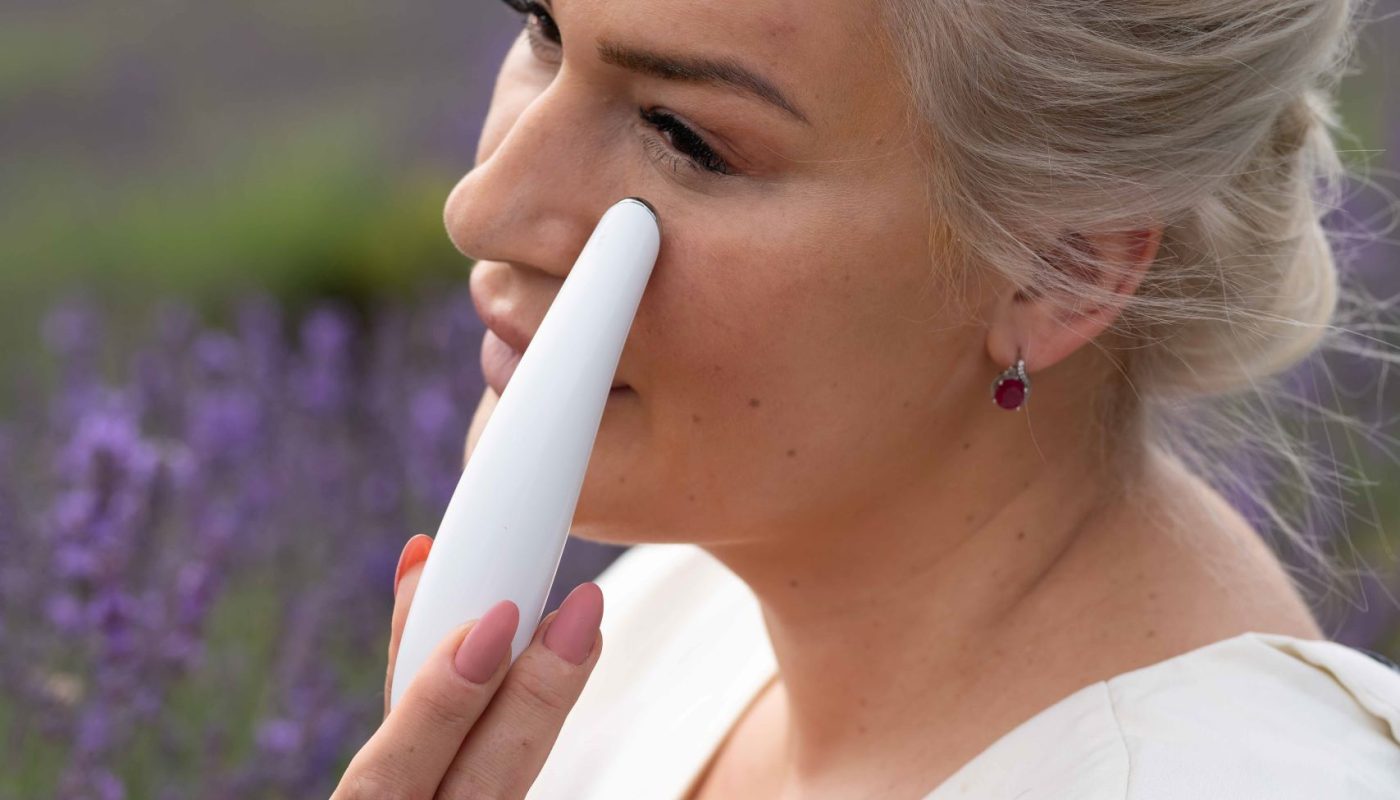
Our Face Sculpting 4 in 1 combines all three with a sculpting action, while the Red Light Therapy eye head focuses on the delicate under-eye area: reducing the look of dark circles, improving absorption, skin tightening and relieving eye fatigue.
Using red light for tired eyes
- Start with clean, dry skin; apply a light eye serum if you like.
- Glide the device gently along the orbital bone, never directly into the eye.
- Use for a few minutes, several times a week, following your device instructions.
For an extra de-puffing step, finish with a cool agate eye tool.
Where it fits with microneedling
LED is gentle enough to use between microneedling sessions and can be a calming step once the skin has settled after treatment. Don’t use it over broken or irritated skin, and check with your doctor first if you take light-sensitising medication or have a light-sensitive condition.
Realistic expectations
LED won’t replace a clinical treatment, but used consistently it is a pleasant, low-risk way to support brighter, firmer-looking skin — especially as part of a broader routine.
FAQs
Does red light therapy at home work?
There is growing research for skin quality; home devices give gentler results that depend on regular use.
Can red light help dark circles?
It may soften the look of tired eyes and dark circles over time by supporting circulation and firmness.
Red vs blue vs green light?
Red for collagen, blue for inflamed skin, green for oiliness and tone.